.png)
Blazing Trails
For Amy Svendberg, hospitality, community and leadership begin in much the same place: by showing up.

There are many ways to build something.
Some people begin with canvas. Others with wood, stone, food, words or an empty room. Amy Svendberg builds with people.
I have watched her do it for several years now, often from the other side of a table.
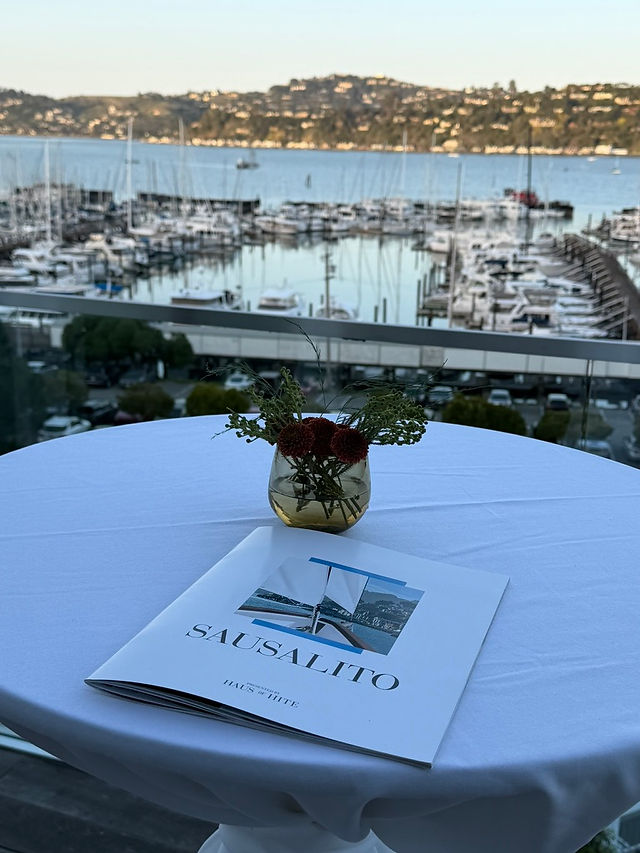
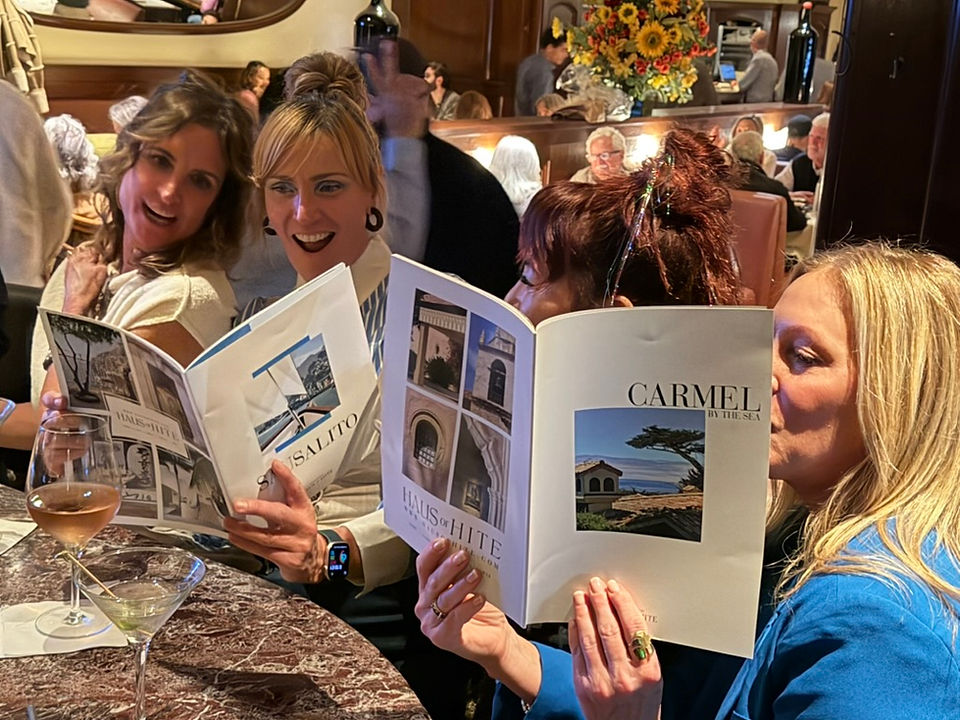
I first came to know Amy while I was building the Sausalito Guide through HAUS of HITE. The project brought me into conversation with businesses and organizations throughout the city, including the Sausalito Chamber of Commerce and Downtown Sausalito Association. The Chamber offered its members a preferred rate to participate in the Guide and assisted with distribution, while the Chamber and DSA partnered to support its printing. Later, Amy and I would work together again as I developed new branding for Sausalito and the DSA.
Somewhere between those projects, meetings and countless conversations, Amy became more than a colleague. She became a friend.
And I began noticing the way she builds.
Amy rarely enters a room needing to be its center. She watches. She listens. She understands how people fit together. Then, when something needs doing, she steps in.
When we sat down at Poggio for this interview, that quality was visible before we had really begun.
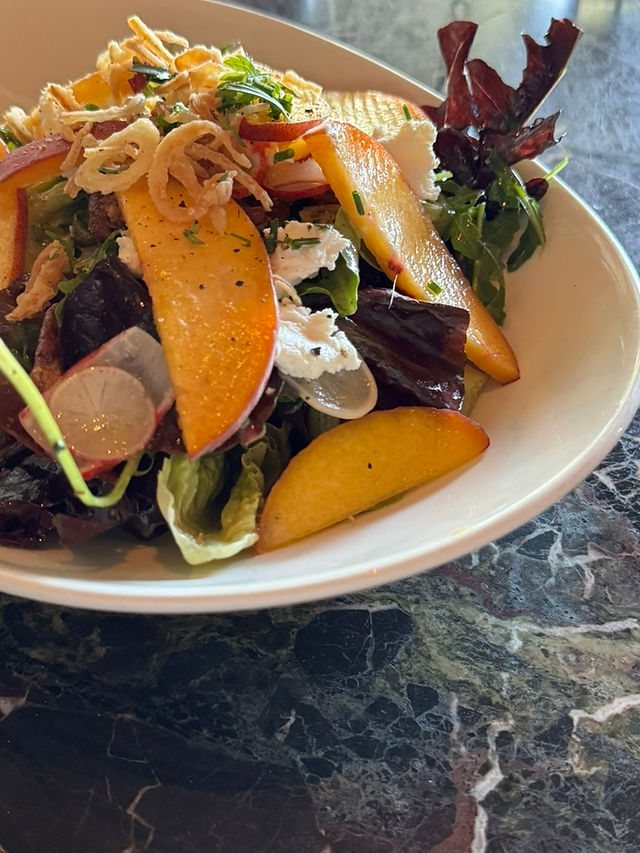
We were tucked into a booth facing the bay, the restaurant opening toward Bridgeway beyond us. Outside, the tables were packed with locals. Throughout our conversation, Amy kept recognizing people. A wave through the window. A quick check-in. A question about someone's life that clearly belonged to a conversation started long before I arrived.
This wasn't networking.
These were relationships.
And in many ways, that afternoon offered the clearest portrait of Amy I could have asked for.


Building From the Table Out
Amy's relationship with hospitality began thousands of miles from Sausalito.
After college, she moved to Paris intending to earn a master's degree in hotel management. The plan didn't last. She left school, began waiting tables at a Tex-Mex restaurant and eventually moved into management, later running a restaurant near the Champs-Élysées. Hospitality became the career she hadn't necessarily planned and then never really left.
Eventually, California brought her to Larry Mindel and Poggio.
She left San Francisco and crossed the bridge into Sausalito, where she discovered something different.
"People matter here," Amy told me.
She was describing the community, but she could just as easily have been describing her philosophy of hospitality. For Amy, a restaurant depends upon authenticity, quality and presence. The financial realities matter, of course, but they cannot become the sole reason the room exists.
Today, as a managing partner, her responsibilities stretch across four restaurants and multiple California cities. Operations means everything from HR and financial management to permitting, repairs, maintenance and the unexpected problems that arrive without invitation.
She described restaurant management as confronting the same puzzle every day with pieces that continually change.
I liked that description because it sounds remarkably similar to the creative process.
You build. You observe. Something doesn't work. You reconsider it. Conditions change. You adapt. And if you want the thing you have created to survive, you never assume it is finished.
For Amy, longevity is less about finding the perfect formula than remaining responsive enough to evolve. She has watched Sausalito move through changing economic conditions and understands that what sustains a business during one period may not sustain it through the next.
Building something that lasts requires continuing to build it.

Image from the personal collection of Amy Svendberg.
The Architecture of Community
That same philosophy extends beyond Amy's restaurants.
I saw it while creating the Sausalito Guide. I saw it again while working with the Downtown Sausalito Association. And I have seen it in the quieter moments that rarely appear on an agenda or organizational chart.
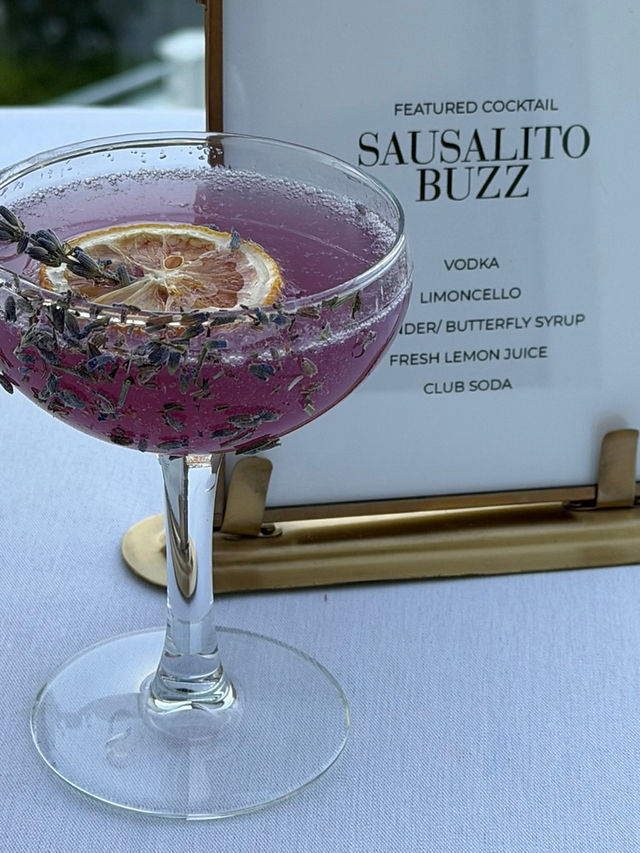
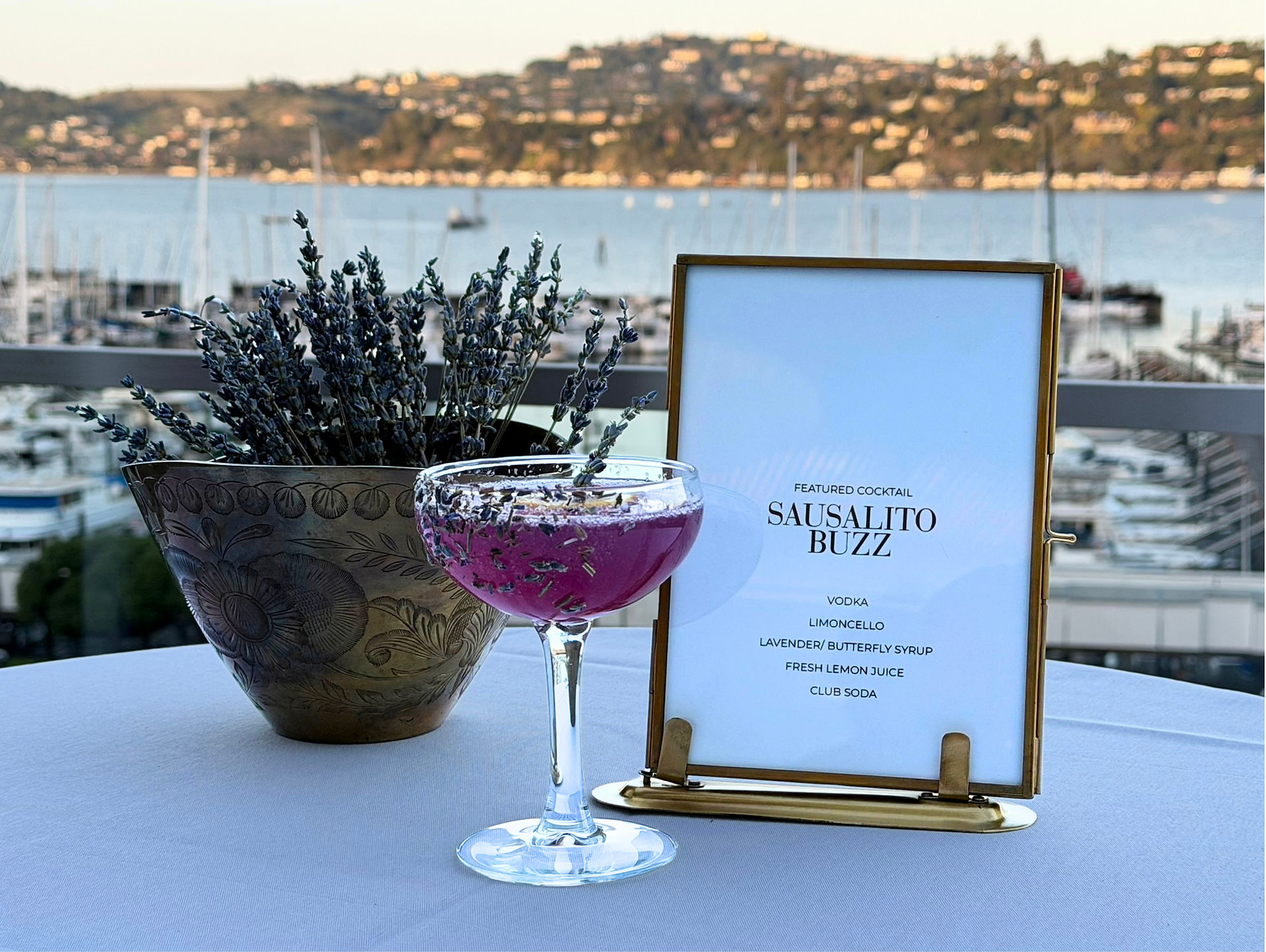
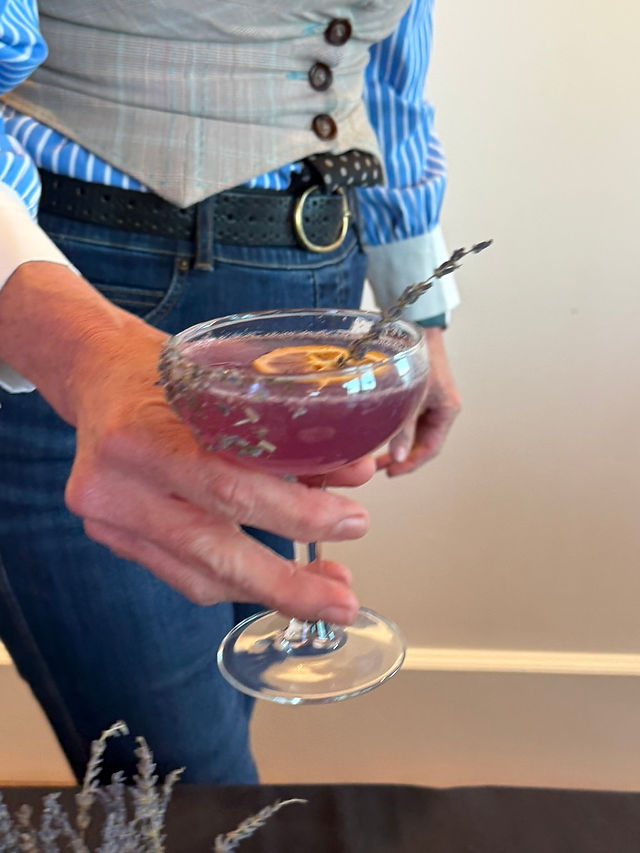
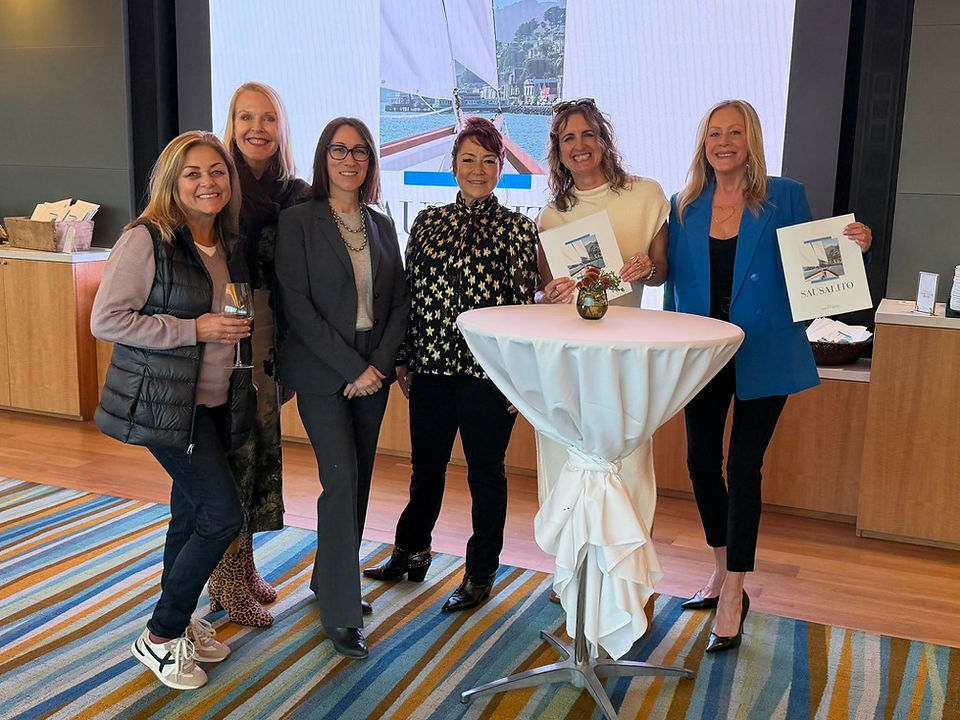
At the launch of the Sausalito Guide, Amy helped bring Poggio into the evening through Deborah, one of the restaurant's bartenders, who created the signature cocktail for the event, the Sausalito Buzz.
It was a relatively small detail within a much larger evening, but I remember it because it illustrated something fundamental about Amy's approach.
She trusts people to bring something of themselves to the table.
The result is not leadership built around a single personality. It is an environment in which other people are given enough ownership to contribute, experiment and succeed.
That philosophy matters in restaurants. It matters in creative studios. It matters in community organizations.
And Amy has gradually found herself working across all three worlds.
Her involvement with the Sausalito Chamber and DSA grew partly from a desire to keep the restaurants connected to the community around them. But participation also required Amy to become more visible herself.
That did not come naturally.
She told me that she was a fearful child and became comfortable occupying what she calls "the shadows," observing people and learning before stepping forward. Eventually, watching stopped being enough.
"I wasn't satisfied with being in the shadows."
Public speaking made her uncomfortable, so she deliberately joined the Chamber in part to put herself into situations where she would have to practice it. Over time, becoming more comfortable advocating for herself gave her greater confidence advocating for others.
It is a wonderfully unpolished definition of growth.
Not becoming fearless.
Building the capacity to move anyway.

Going All In
During our conversation, Amy said something that stayed with me.
"You can't be in half."
She was describing what happens when you enter a business, organization or difficult situation and recognize that something needs attention. From the outside, it is easy to identify problems and tell people what should change.
That isn't how Amy wants to work.
"You just have to, for me, get in it and really be all in, right? Be present."
Then she added:
"If you're present, then the solutions usually present themselves."
That may be the closest thing to an Amy Svendberg manifesto.
Presence requires investment. And investment requires discernment.
Amy is equally aware of the danger of saying yes to everything. She doesn't want to commit to ten things only to give each of them half of herself. Part of leadership, she has learned, is deciding what deserves your attention and then giving it enough attention to matter.
There is craftsmanship in that.
An artist eventually learns what to remove from the canvas. An editor learns which sentence doesn't belong. A chef knows when another ingredient will only complicate the dish.
Building requires saying yes.
Building something that lasts also requires knowing when to say no.

Finding the Trail
Perhaps this is why Amy and I have spent so much time talking about hiking.
The trail strips away much of life's unnecessary noise. There is the terrain in front of you, what you are carrying, and the decisions required to keep moving.
For Amy, nature has become an essential counterweight to the demands of her professional life.
She often runs the trails near her home with her dog, using those mornings to process problems from the restaurants. During an especially difficult period after opening a fourth location, she found herself working through questions on those runs: What comes next? How do I solve this? What needs my attention?
Then a trail would reach a crossroads. She would stop, look up at the sunrise, see her dog Finnegan beside her, and remember that the problem occupying her mind wasn't the entire world.
"This is what matters," she recalled thinking.
But nature was part of Amy long before California.
Her family had a cabin for roughly 40 years in Quebec's Laurentian Mountains, where she spent her summers largely off the grid. It left her comfortable deep in nature and connected her to her French-Canadian heritage, something she says she has grown increasingly proud of as she has gotten older.
Her mother seems to have supplied another important part of Amy's character: curiosity.
In her twenties, she left Quebec for Chicago without speaking English. She married, raised five children, and eventually returned to Montreal at 65, where Amy says she began an entirely new chapter. She traveled to Tunisia alone, sailed in Florida, visited Amy while she was living in Paris, and continued approaching life with an independence that Amy speaks about with enormous admiration.
"It's inspiring to me that somebody can live such a full life in the second half of their life," Amy told me.
Perhaps it helps explain why movement has remained so important to Amy herself.
That spirit of exploration is something she now shares with her wife, Cassie. Together, they have taken on ambitious experiences in nature, including the trek to Everest Base Camp, experiences Amy describes as fundamental to keeping herself centered and grounded.
Mount Whitney has proven more complicated.
On Amy's most recent attempt, Cassie made the decision to turn back earlier in the climb. Knowing how badly Amy wanted to reach the summit, she encouraged her to continue.
"You can do it. Go do it," Amy remembers Cassie telling her.
Amy continued alone, eventually reaching approximately the 97th switchback. Her body felt strong, the altitude wasn't bothering her, and the summit remained the goal. But with no one else on the trail, the landscape became increasingly exposed and her confidence began to shift. She stopped and asked herself whether continuing alone was still the right decision.
It wasn't.
Amy turned around.
She still wrestles with that choice. She has attempted Whitney twice without reaching the summit, and she admits that it bothers her. But she also understands something the mountains have a particularly effective way of teaching: determination and judgment are not opposites.
"Be safe, be smart, have... a plan and know when just to pull back," she told me.
There is something revealing about both Amy and Cassie in that story. Cassie knew when it was time for her to turn around, while still encouraging Amy to continue toward a goal she knew mattered deeply to her. Amy, farther up the mountain and now alone, eventually had to make that same decision for herself.
Neither choice diminished the ambition that brought them there.
The mountain, after all, isn't going anywhere.


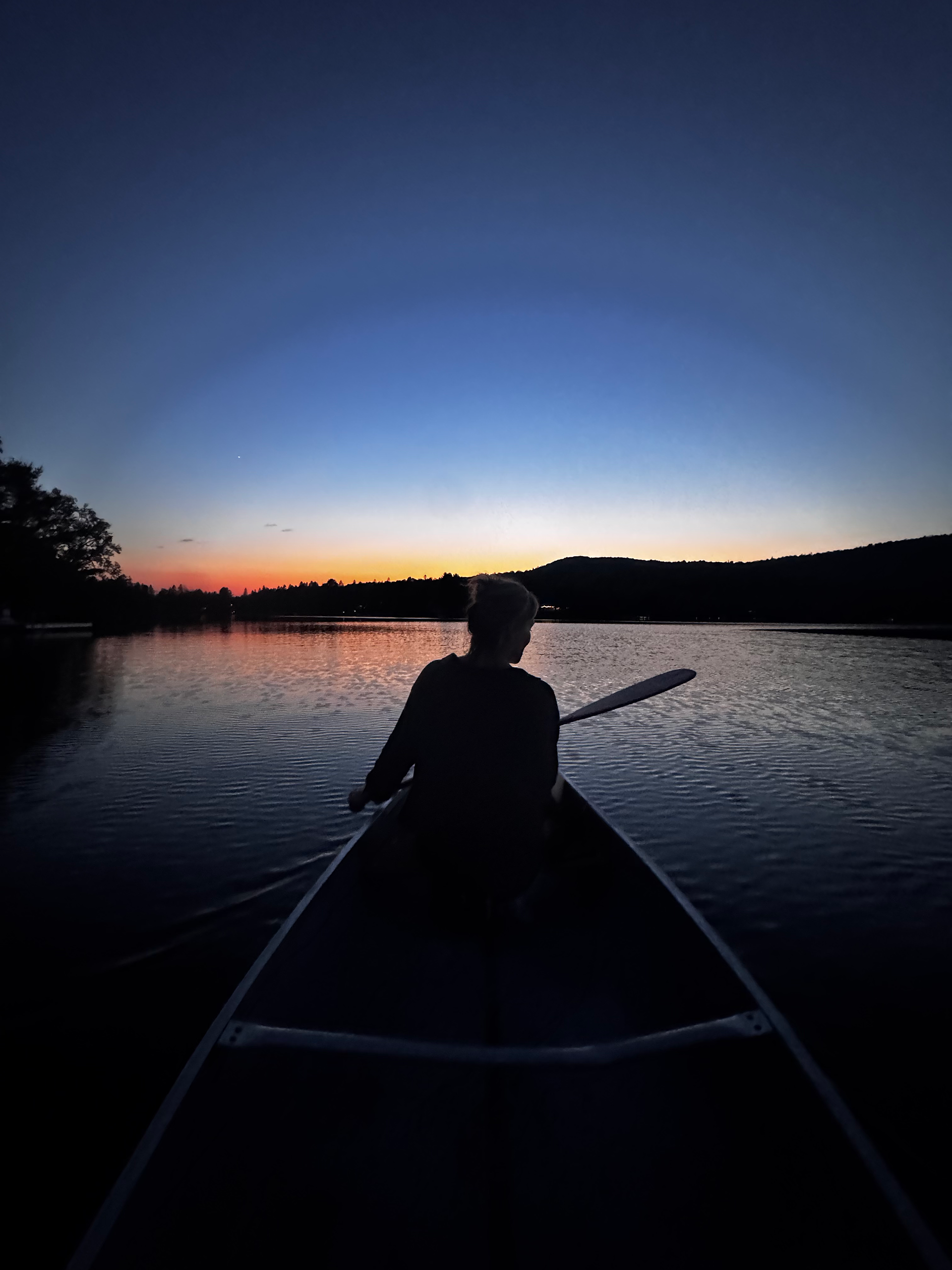
Images from the personal collection of Amy Svendberg.
Bringing Something Home
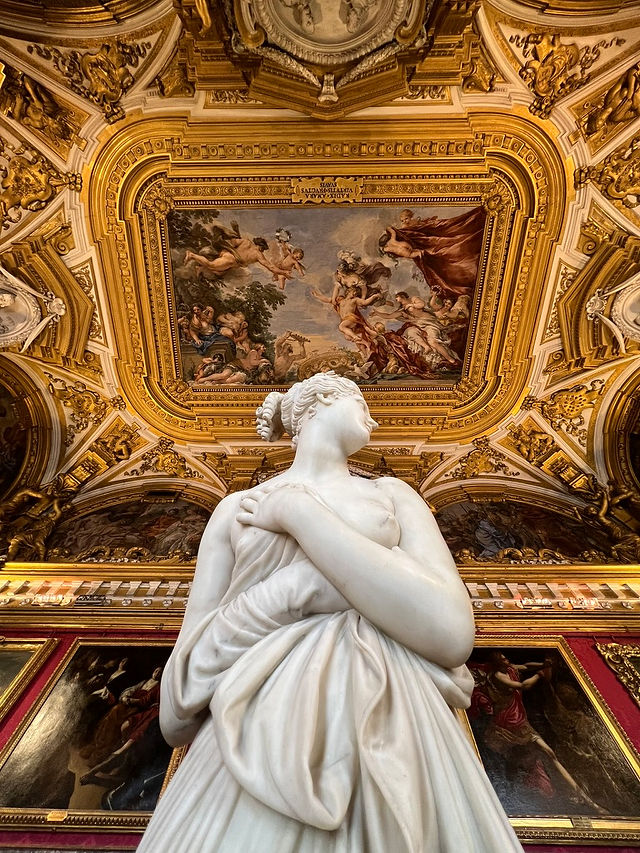
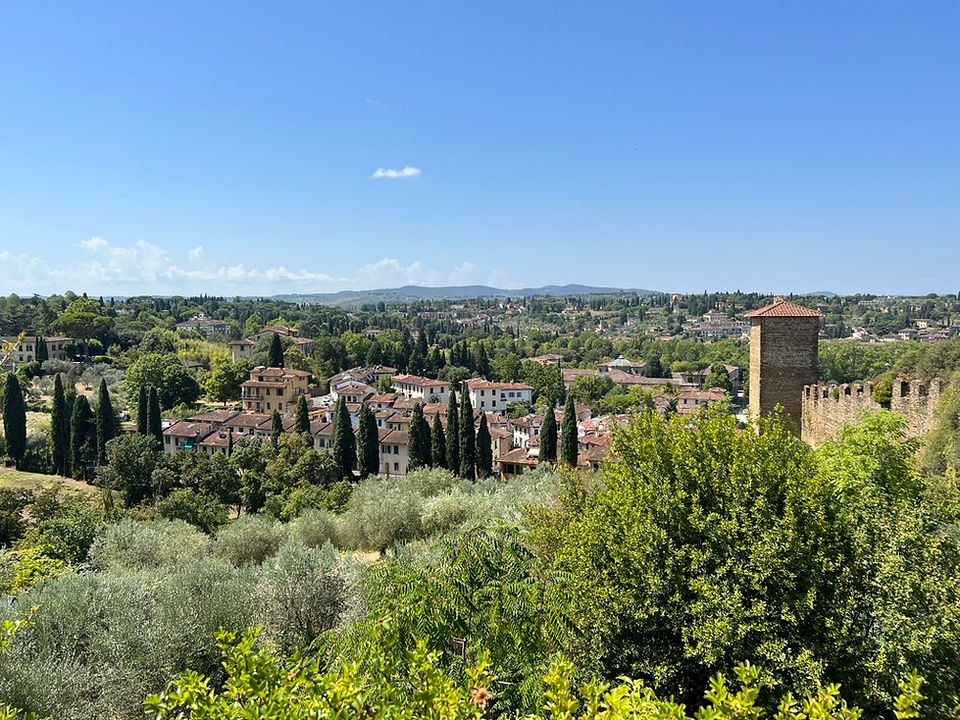
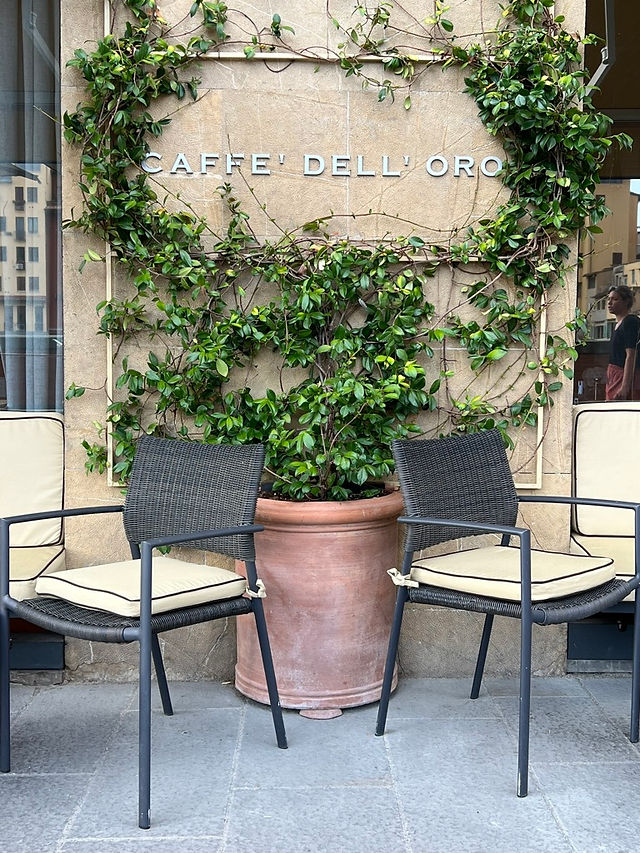
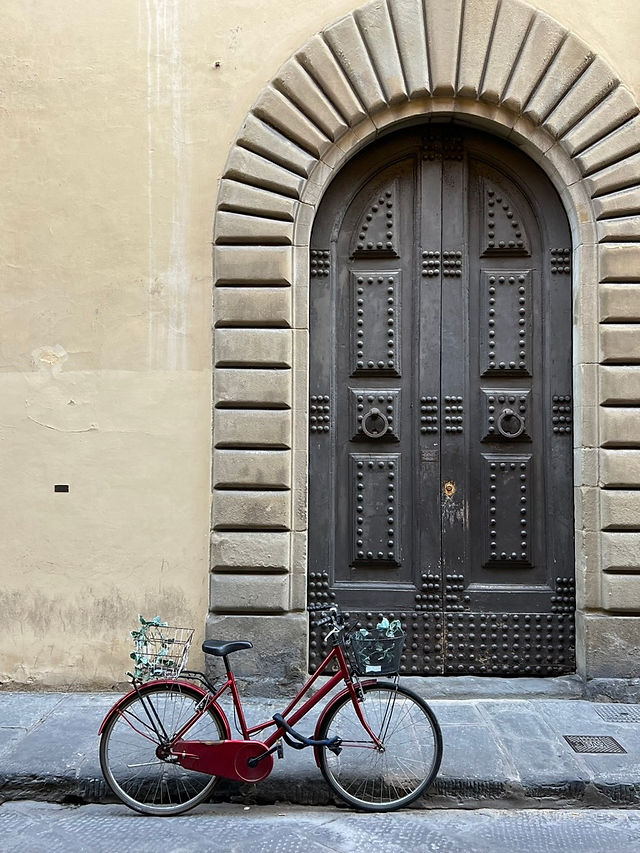
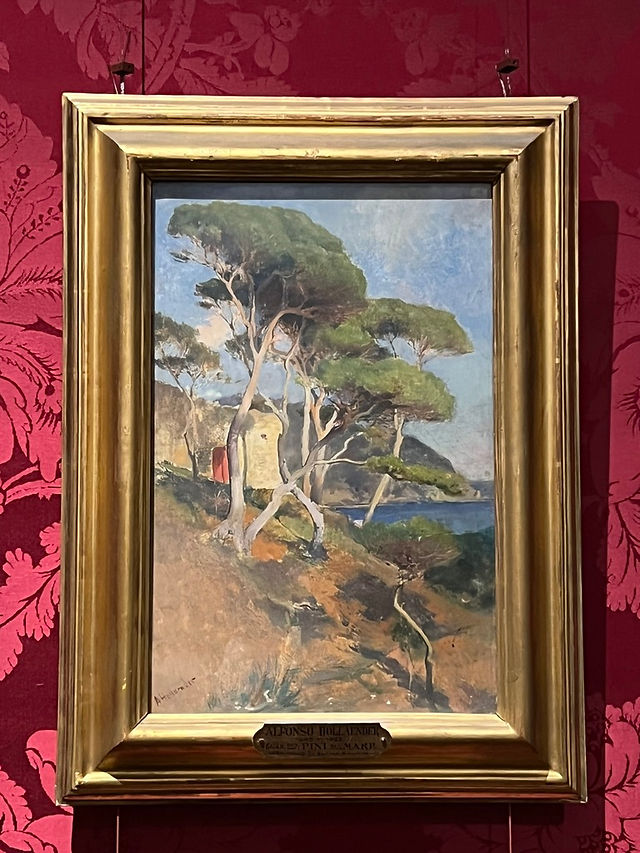
When Amy travels to Italy, she isn't simply leaving her work behind. In a way, she is returning to its source.
Her upcoming trip will move through Florence, Chianti, and Sicily alongside Amy's restaurant partners and colleagues. In Sicily, the professional journey becomes personal when Cassie joins her, before the two continue on to Greece together for time of their own.
Amy talks about Italy less as inspiration in the aesthetic sense and more as recalibration.
There, she finds smaller restaurants, slower meals and businesses less consumed by novelty. A bowl of pasta can simply be an excellent bowl of pasta. Hospitality doesn't have to announce itself.
"You get to see things in a different light," she told me.
Travel reminds her to question what has become automatic at home and to protect authenticity from being slowly diluted by trends.
This, too, is part of the creative process.
We leave what we know.
We look closely at how someone else has built something.
And then we return home carrying new questions.
The goal isn't imitation.
It is perspective.





Building at Home
Amy is now extending that instinct for participation into another arena.
She is running for a seat on the Southern Marin Fire Protection District Board of Directors in the November 3 election. Marin County lists Amy, a small-business owner, among seven candidates seeking four open seats. The district's seven-member elected board serves four-year terms and oversees the governance of the fire district. Southern Marin Fire Protection District
When we spoke, Amy was candid that elected office was unfamiliar territory.
Her first response when community members encouraged her to consider running was essentially: Why me?
So she did what I have watched her do elsewhere.
She started learning.
She spoke with firefighters, the interim fire chief, deputy chief and battalion chiefs to better understand the organization and the responsibilities of its board. She described the role to me not as running day-to-day fire operations, but as governance and oversight.
The distinction is important.
This isn't a story about transforming a restaurateur into a politician. Nor does Amy's candidacy need to become the conclusion through which everything else about her is interpreted.
It is simply another expression of a pattern already present in her life: when Amy becomes invested in a place, she tends to participate in its care.

The Art of Building Something That Lasts
By the end of our conversation, the tables outside Poggio were still occupied.
People continued passing the windows. Amy continued recognizing them.
It brought me back to something I've learned through HAUS of HITE while spending time with artists, architects, chefs, designers and business owners: creativity is not limited to objects.
Sometimes the thing being created is a culture.
Sometimes it is a restaurant where people feel known.
Sometimes it is an organization that functions because people have decided to give their time to it.
Sometimes it is a city people continue choosing to call home.
Amy's work moves between all of these spaces.
And perhaps that is what makes her story belong here.
The art of building something that lasts rarely begins with the finished object. It begins much closer to home, with attention to the people already around us and a willingness to participate in what comes next.
Amy has a simpler way of saying it.
Be present.
Then start building.

Image from the personal collection of Amy Svendberg.
People supporting people is where community begins. To learn more about Amy Svendberg, her candidacy for the Southern Marin Fire Protection District Board, or ways to support her campaign, visit her campaign website.


Comments